Sustainable trading always begins with the right mindset.
Knowledge is necessary, but only real market experience, discipline, and the ability to control your reactions to the market create long-term results.
In this article, I share lessons learned from more than 17 years of continuous trading—not from theory or marketing, but from real experience in real markets.
Trading Experience vs. Trading Theory
Over the years, I have come to realize that successful trading is not built on complex indicators or secret systems, but on:
- Consistency
- Probabilistic thinking
- Strict risk management
Most traders fail because they:
- Seek absolute certainty
- React emotionally to price movements
- Ignore risk during decision-making
A Simple but Effective Approach
- Price reflects all available market information
- Price moves within structure, not randomness
- Risk management is more important than being right
👉 The goal is not to win every trade, but to survive long enough for profits to materialize.
17 Years of Forex Trading: What Truly Matters
Looking back on 17 years of trading, the most important factor is not explosive growth, but stability over time.
One Simple Rule I Apply Every Day:
“Never risk more than 1% of account on a order trade.”
This rule helps me to:
- Survive unfavorable market conditions
- Preserve capital during losing streaks
- Maintain long-term growth
Trading is a game of probability and mathematical expectancy, and an edge reveals itself over time—not over a handful of trades.
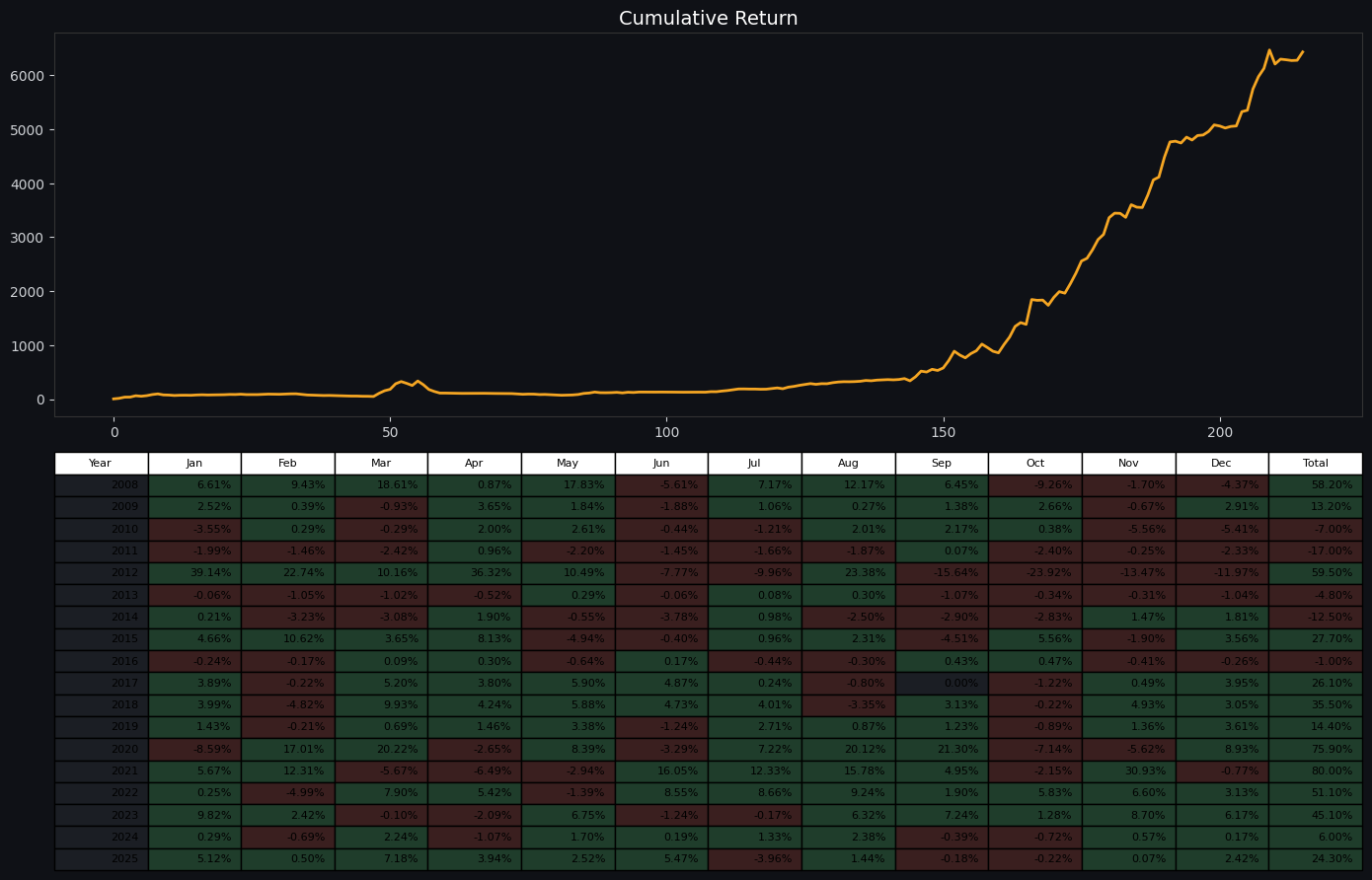
Performance Snapshot (Long-Term Perspective)
The chart below reflects long-term capital growth across multiple market cycles.
The objective is not aggressive acceleration, but controlled compounding with drawdown containment.
Multi-Timeframe Analysis: Structure Before Entry
A core component of my approach is multi-timeframe analysis:
- Daily (D1): Identify the primary trend and overall market structure
- H4 / H1: Locate key reaction zones
- Lower timeframes: Optimize trade entries
This method:
- Removes emotional decision-making
- Helps traders operate systematically
- Is based on what the market is showing, not on prediction
👉 No prediction—only planned reaction.
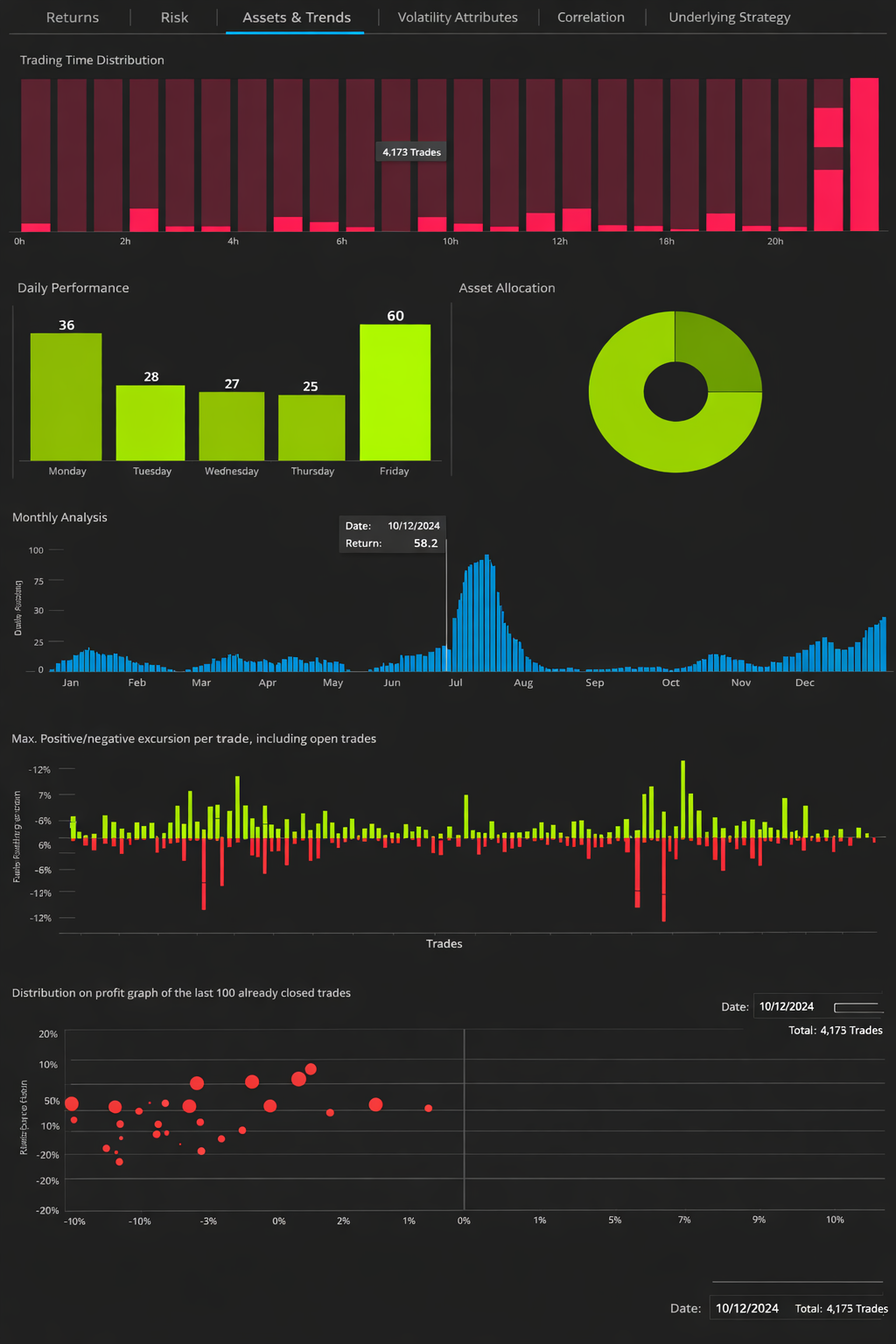
Execution Structure & Trade Behavior
These statistics reflect how trades are distributed across time, sessions, and market conditions —
reinforcing a rule-based, context-driven execution process rather than discretionary guessing.
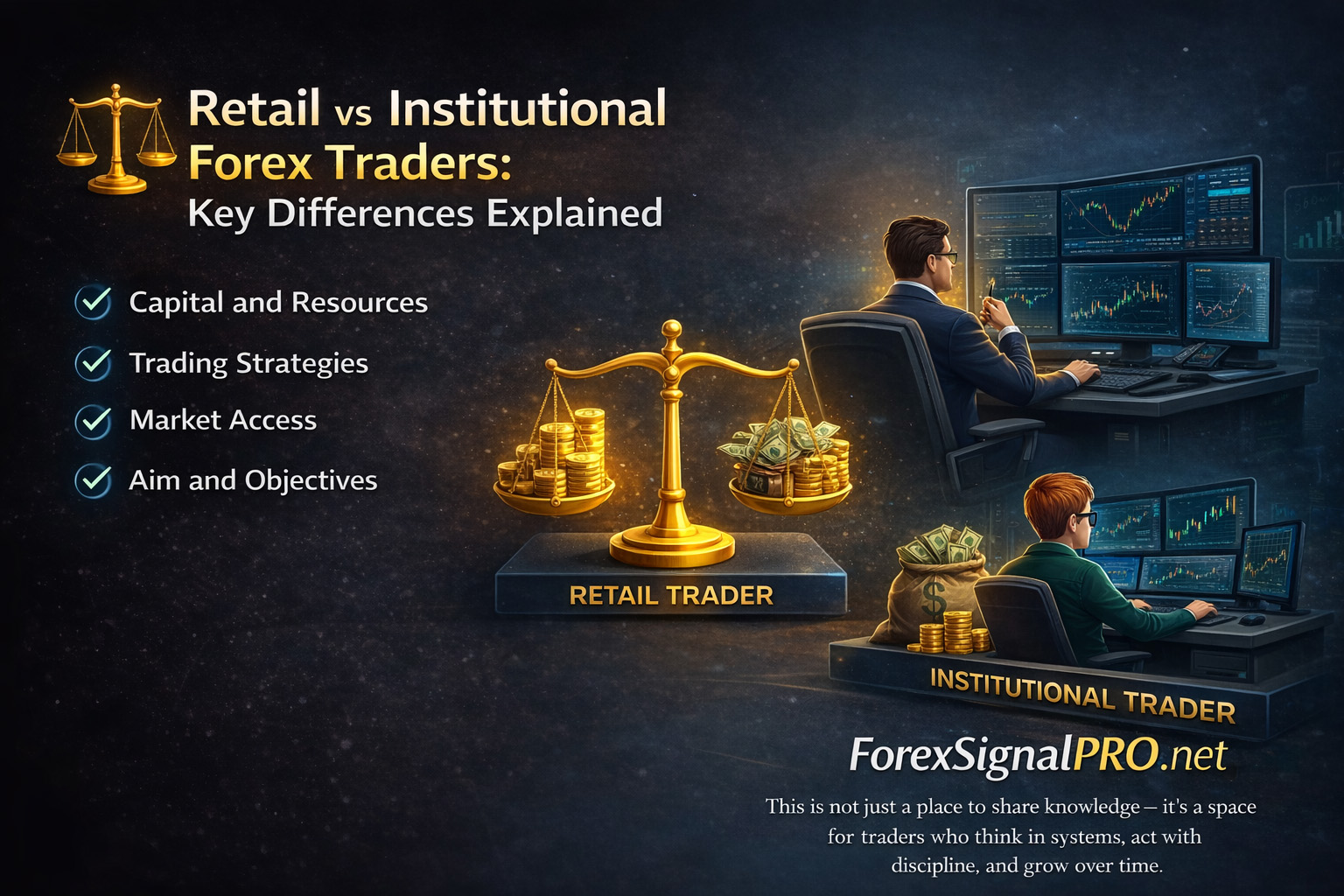
Retail Traders vs. Institutional Players
One harsh reality is that retail traders cannot compete on equal terms with institutional players due to:
- Smaller capital
- Inferior technology
- Informational disadvantages
Therefore, retail traders must align themselves with institutional flow, rather than attempting to pick tops or bottoms or trade against dominant trends.
Trading Is Not Luck — It Is Disciplined Practice
Many people believe that trading success comes from luck.
In reality, this is only a surface-level perception.
- Short-term results may look like luck.
- Consistency is the result of discipline
- Long-term success comes from deliberate practice
👉 Luck may help you win a few trades, but only discipline allows you to survive and grow over time.
Every consistently profitable trader shares common traits:
- Clear systems
- Repeatable processes
- Emotional control
From Experience to Structured Trading Models
Over time, I transitioned from discretionary trading to structured trading models.
A Robust Trading System Must Include:
- Clear logic
- Strict risk management rules
- Repeatability
These systems are not designed for gambling, but for:
- Market survival
- Sustainable growth
- Minimizing emotional errors
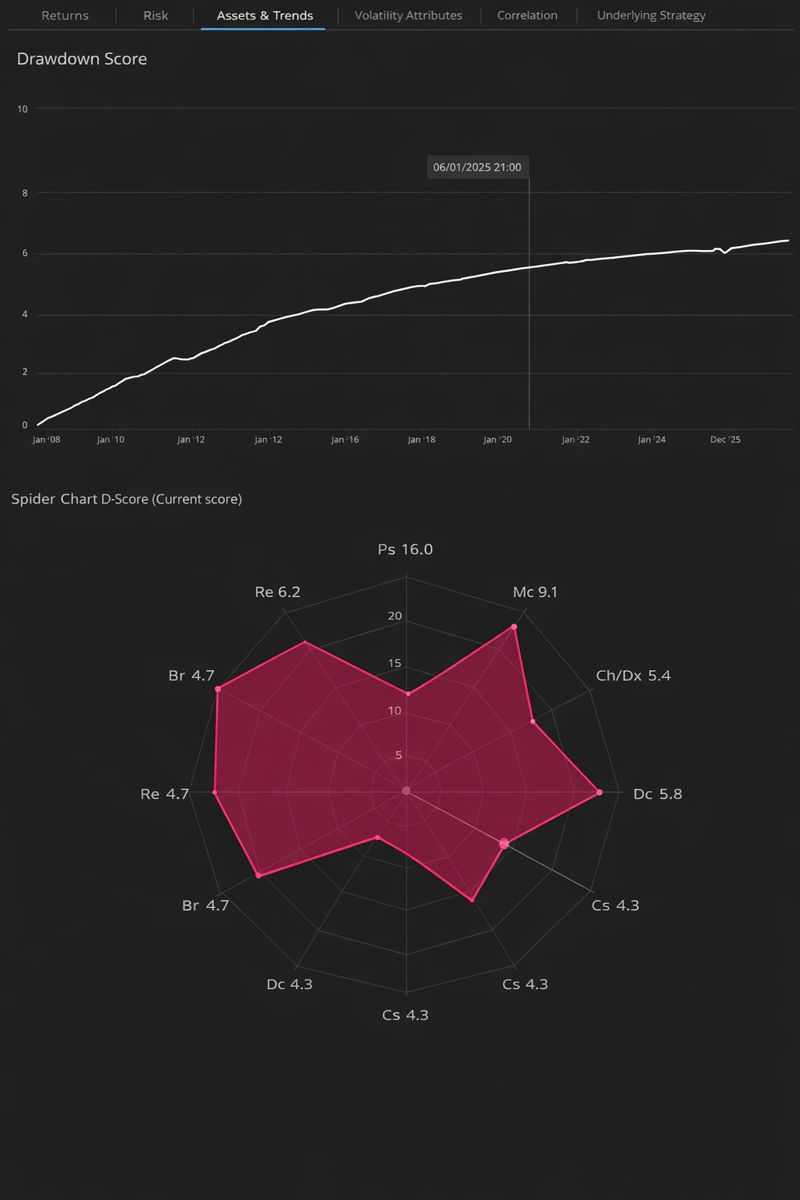
Risk Profile & Drawdown Characteristics
Long-term survival is defined not by peak returns, but by how drawdowns are controlled, recovered, and statistically distributed.
Final Thoughts
Forex trading is not a get-rich-quick path.
It is a journey that requires:
- Patience
- Discipline
- Statistical thinking
- Emotional control
“Survival comes first—profits come later. Without consistency, survival is impossible.”
This article is not a holy grail, but practical knowledge for serious traders.
Remember:
- Trade with structure
- Act with discipline
- Aim for long-term growth
DLQ Trader