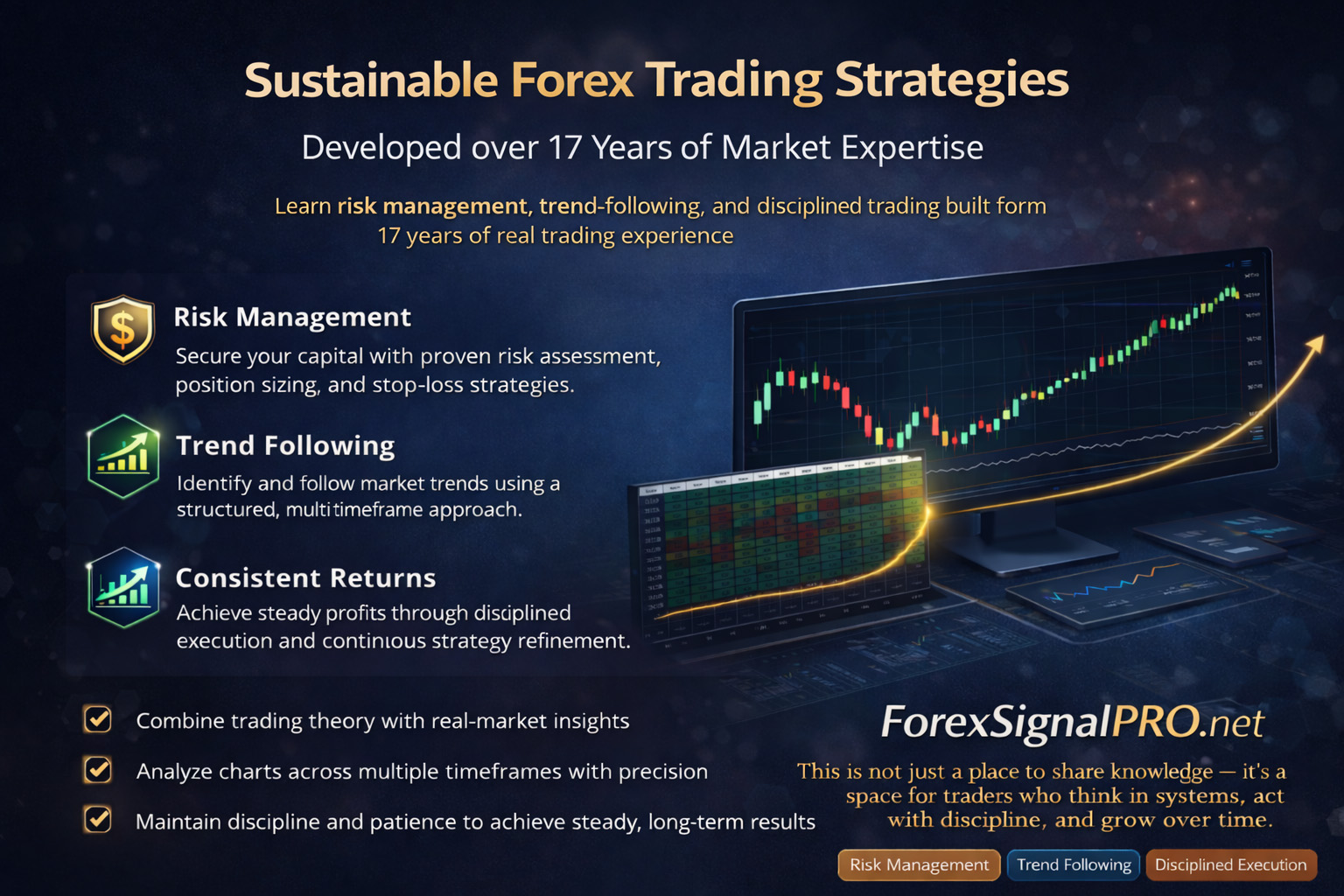
One of the most common mistakes new traders make is risking money they cannot afford to lose. In Forex trading, unexpected events can happen at any time — from sudden market news to extreme volatility — and without proper risk management, a single trade can wipe out an account.
Common sources of trading risk include:
- Sudden price movements triggered by major traders or institutions
- Unexpected economic or political announcements
- Global events such as wars, natural disasters, or financial crises
- Most importantly, poor stop-loss discipline
Because of these uncertainties, traders should only use risk capital — money that will not affect their lifestyle if lost.
What Is Risk Capital?
Risk capital is the portion of your savings you are willing to put at risk in the market. Financial professionals generally recommend allocating no more than 10% of total savings to speculative investments such as Forex.
For example, if you have $100,000 in total assets, a reasonable trading capital would be around $10,000.
This approach protects you emotionally and financially while allowing you to trade with a clear mindset.
Is Forex Really Riskier Than Other Markets?
Forex trading involves leverage, which amplifies both profits and losses. While some assets fluctuate more in raw volatility, leverage makes Forex particularly dangerous for unprepared traders.
A 50% loss requires a 100% gain just to break even — a mathematical reality many traders ignore.
This is why consistent risk control matters far more than chasing large profits.
Setting Realistic Capital Growth Goals
Many beginners believe they can quickly turn a small account into a fortune. In reality, sustainable trading is about steady compounding, not dramatic wins.
Your trading performance depends on:
- Average profit per trade (expectancy)
- Risk per trade
- Number of trades taken over time
A simplified formula:
Final Capital = Starting Capital + (Average Profit × Number of Trades)
Instead of aiming to double your account every few months, focus on building consistent, controlled returns.
Why Overtrading and High Risk Destroy Accounts
Some traders attempt to increase profits by:
- Risking large portions of capital per trade
- Using martingale or aggressive position sizing
- Trading emotionally after losses
While this may work briefly, it dramatically increases the probability of a catastrophic loss.
Professional traders survive by protecting capital first — profits come second.
The Smart Approach to Forex Capital Management
To trade sustainably:
- Risk only 1–2% of capital per trade
- Use stop-loss orders consistently
- Avoid revenge trading
- Track performance in a trading journal
- Focus on long-term improvement
Forex is not a get-rich-quick scheme. It is a skill that rewards discipline, patience, and realistic expectations.
Final Thoughts
Success in Forex trading is not about how much you can make in one trade — it’s about how long you can stay in the game.
Protect your capital, manage risk carefully, and allow profits to grow steadily over time.